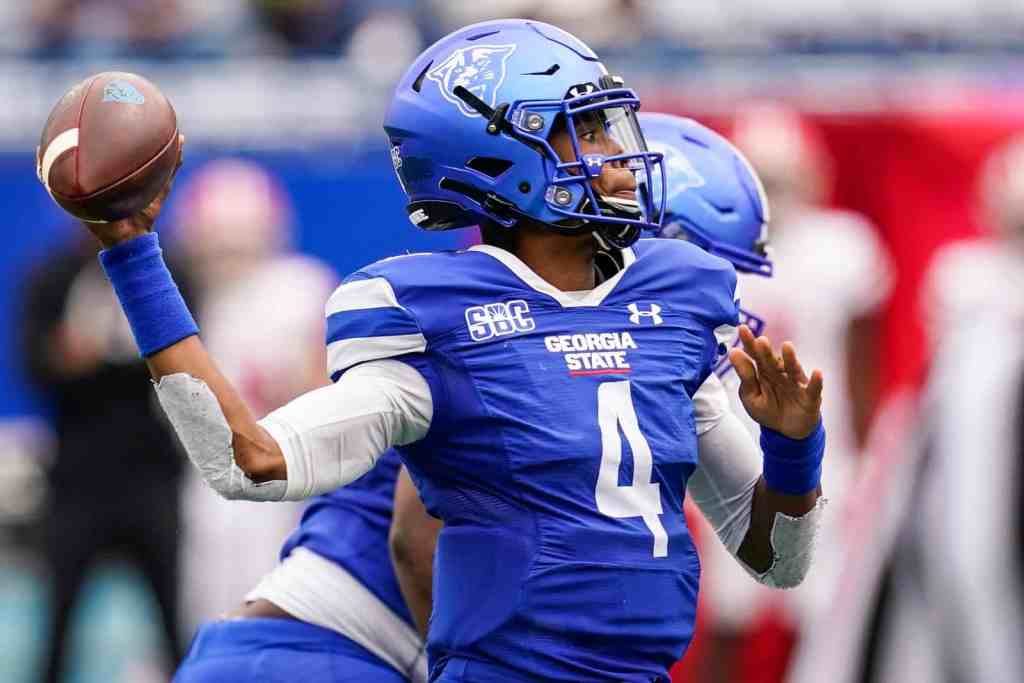
In a groundbreaking decision that will reshape the future of college sports, U.S. District Judge Claudia Wilken granted final approval to the House v. NCAA settlement on June 6, 2025. This ruling, the result of nearly five years of litigation, allows schools to directly compensate student-athletes starting July 1, 2025.
For the first time in NCAA history, athletes will be paid directly from their universities, marking a monumental shift in the longstanding debate over college athlete compensation. The settlement allocates $2.8 billion over the next decade to compensate current and former athletes who missed out on opportunities to profit from their name, image, and likeness (NIL) under the NCAA’s previous amateurism rules. This deal stands to benefit thousands of athletes across various sports and is expected to set the tone for future changes in college athletics.
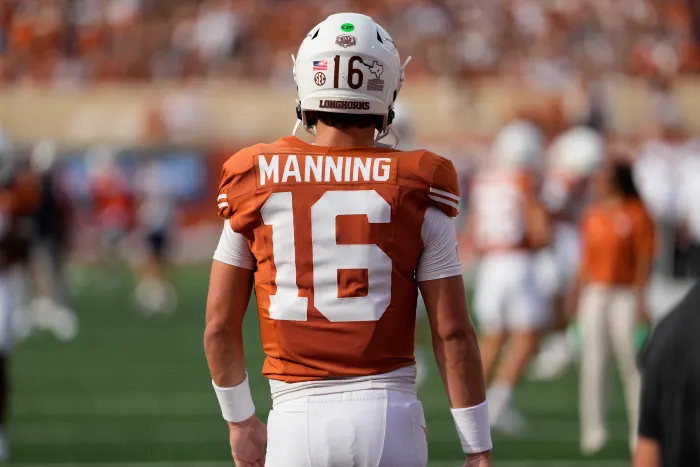
Key Details of the Settlement
The settlement includes an impressive $2.8 billion payout for athletes who participated in NCAA Division I sports between 2016 and 2024. This fund, distributed in annual installments of $280 million, will directly compensate those who missed out on NIL opportunities under NCAA restrictions. This compensation is expected to benefit roughly 390,000 athletes.
For the upcoming 2025-2026 academic year, schools that opt into the new system will be able to distribute up to $20.5 million to their athletes. That cap will rise by 4% each year, ensuring that athletes continue to receive increasing financial benefits throughout the ten-year agreement. This payment structure will dramatically impact the financial landscape for college athletes, especially in revenue-generating sports like football and men’s basketball.
However, there are new challenges that accompany these changes. The settlement introduces roster limits that will reduce the number of athletes on teams, with an estimated 5,000 spots across all sports expected to be eliminated. While this has raised concerns about roster cuts, schools will have the option to grandfather in current athletes, allowing them to remain on teams until their eligibility expires.
New Regulations on NIL Deals
While athletes will still be allowed to pursue NIL deals with outside companies, the settlement introduces a new oversight body, the College Sports Commission (CSC), to regulate these agreements. Athletes with NIL deals worth $600 or more must report them to a new platform called NIL Go, where the CSC will ensure deals are in line with fair market value and not used as disguised pay-for-play arrangements.
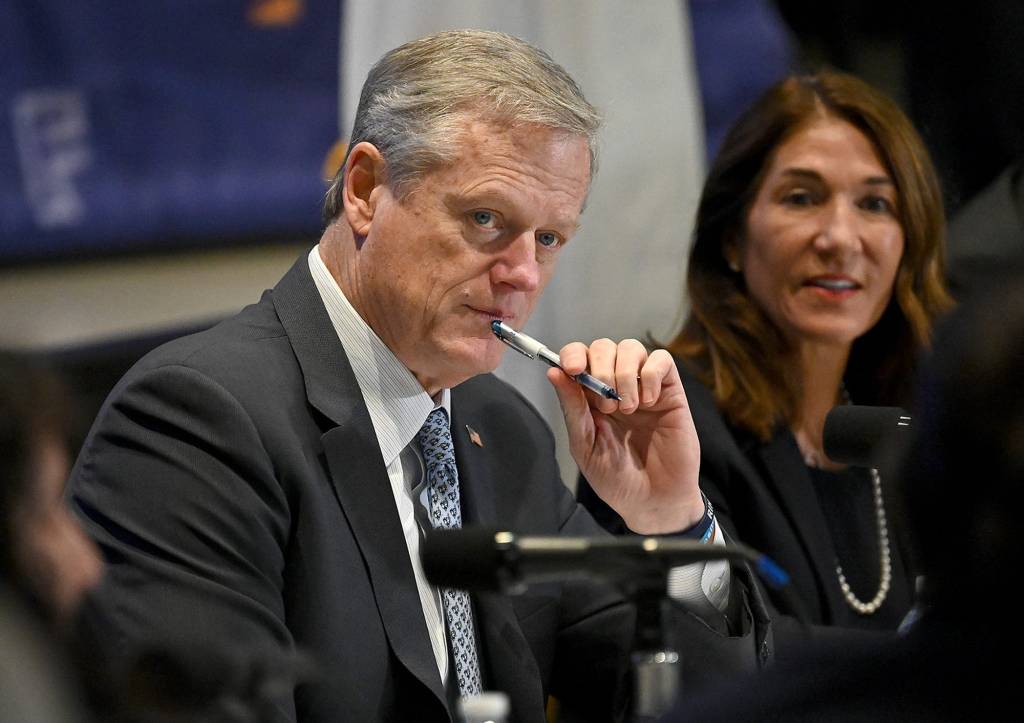
This increased scrutiny of NIL deals represents a shift towards greater transparency and accountability in college sports. NCAA President Charlie Baker emphasized, “Approving the agreement opens a pathway to begin stabilizing college sports,” signaling confidence that the new system will bring more order to a landscape that has often been criticized for its lack of oversight.
Implications for College Sports
The House v. NCAA settlement is a watershed moment for college athletics. It acknowledges that athletes, who have long been at the heart of NCAA success, deserve a share of the massive revenue generated by college sports. This decision could fundamentally change how schools operate and interact with athletes, paving the way for a more equitable system where athletes are compensated fairly for their contributions.
Sedona Prince, a former Oregon basketball player and lead plaintiff in the case, expressed the significance of the ruling: “It’s historic. It’s going to change millions of lives for the better.” The decision reflects the growing shift in how the public views college sports—no longer just an amateur endeavor, but a billion-dollar industry driven by the talent and hard work of student-athletes.
With the settlement’s approval, universities will now face the challenge of managing these new financial responsibilities. Some schools, particularly those in the Power Five conferences, will have the resources to meet the new revenue-sharing requirements. But smaller schools may struggle to distribute the full $20.5 million cap, leading to questions about equity and the long-term sustainability of the new system.
Looking Ahead: The Future of College Athletics
While this settlement marks a major victory for athletes, it is far from the final chapter in the evolution of college sports. The House v. NCAA settlement does not resolve all the legal questions surrounding athlete compensation, including whether athletes should be considered employees. The NCAA’s failure to settle the Johnson v. NCAA case, which challenges the amateur status of athletes and could potentially reclassify them as employees, means the fight for athlete rights is ongoing.
Even with this progress, the issue of NIL regulation remains a key topic of debate. The establishment of the CSC aims to ensure that NIL deals reflect fair market value, but critics are concerned about the added bureaucracy and potential interference in the deals athletes negotiate independently.
There’s also a broader push for federal legislation that would create a clearer framework for NIL deals and athlete compensation. While NCAA leaders are hopeful for new laws that would support their efforts to stabilize college athletics, it remains uncertain whether Congress will act.
The Bottom Line
The approval of the House v. NCAA settlement is a historic milestone for college sports, signaling a shift toward fairer compensation for athletes. This decision will have profound effects on how college athletics operate, particularly in terms of athlete rights and financial opportunities. As schools prepare for the July 1 start date, all eyes will be on how these changes unfold and whether they lead to a more equitable system—or spark further legal challenges that reshape the future of college sports once again.
KB Sports Media will continue to provide updates on this topic, tracking the impacts of the settlement as schools, athletes, and the NCAA navigate these significant changes in college athletics.
Discover more from KB Sports Media
Subscribe to get the latest posts sent to your email.