The NCAA is considering a proposal that could shake up the college sports landscape—again.
This time, it’s not about NIL deals or transfer rules. It’s about betting. Specifically, whether college athletes and staff should be allowed to legally bet on professional sports.
Under current NCAA rules, any kind of sports betting—college or pro—is off-limits for athletes, coaches, and staff. But with sports gambling now legalized in more than 30 states and professional leagues diving headfirst into multi-million-dollar betting partnerships, the line between “forbidden” and “everyday entertainment” has blurred (apnews.com, actionnetwork.com).
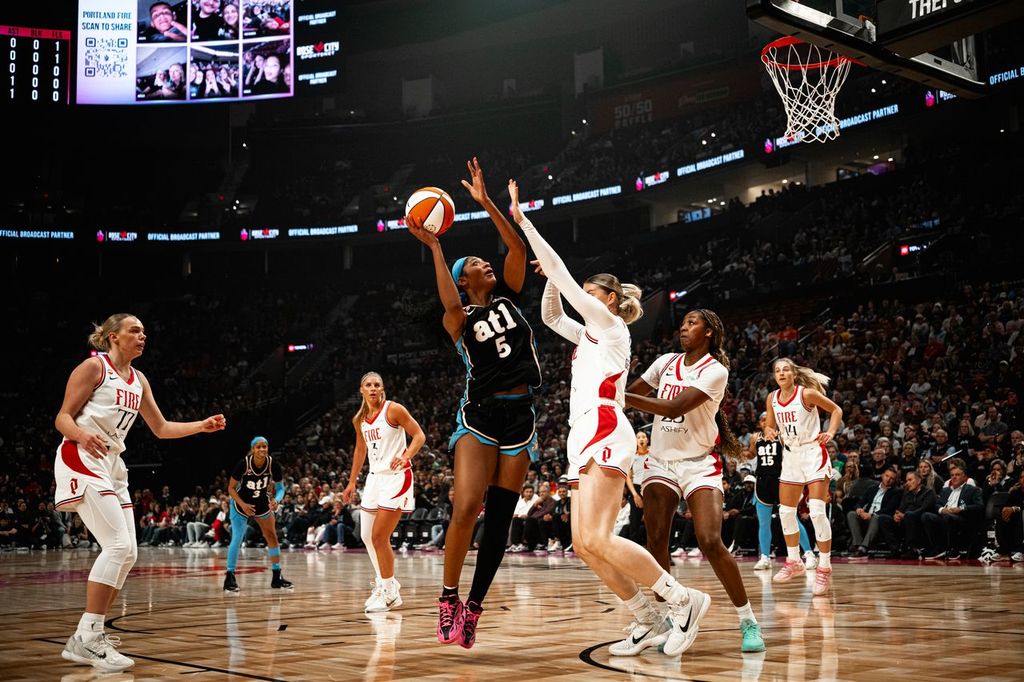
This proposal wouldn’t touch college betting. Wagering on NCAA events would still be banned. But it would give college athletes the same freedom as most adults in the country: the ability to place legal bets on pro leagues like the NFL, NBA, MLB, or WNBA.

Why Now?
The timing isn’t surprising. The sports betting industry is booming, and you can’t watch a pro game without encountering sportsbook ads. Many college athletes—especially those on high-profile rosters—are adults living in states with legal betting.
The NCAA has faced growing pressure to modernize. In the NIL era, where athletes can sign endorsement deals, build personal brands, and even appear in commercials, the argument for restricting personal freedoms has lost weight. If a 20-year-old athlete can promote a brand, should they really be banned from a $10 bet on the WNBA Finals?
What’s at Stake?
That question cuts both ways. It’s not just about rights—it’s about risk.
Critics warn that even pro sports betting could blur boundaries, create distractions, and open doors to integrity scandals if policies aren’t enforced clearly. But supporters argue that regulated betting is better than underground wagering. Legalization could actually make monitoring easier and safer.
The Double Standard
Let’s be honest. The NCAA has operated in contradictions. It profits from college athletes while controlling their freedoms. It markets March Madness with pro-level intensity, yet restricts personal behavior.
And here’s the kicker: universities sign betting sponsorships, conferences get sportsbook deals, coaches are incentivized by wins—and yet the athletes are told they can’t place a single bet. That double standard isn’t lost on anyone.

Where Pro Leagues Stand
This debate isn’t unique to college sports. The NFL and NBA have cracked down on players and staff for betting breaches. While they permit certain forms of personal betting under strict regulations, players have still been suspended for policy violations.
Pro athletes often receive better education, have union protections, and robust support systems—none of which are standard for college athletes juggling studies and competition.
If the NCAA adopts this rule, it must be paired with robust policies and responsible-gambling education to prevent harm.
My Take: This Is About Autonomy
To me, this conversation is about autonomy. Whether a college athlete should bet on an NBA game is symbolic—it’s about trust.
Are student-athletes mature enough to manage NIL deals, brand deals, media pressure? If yes, they should also be trusted to place a regulated bet.
I believe the NCAA should move forward—but only if it invests in financial literacy, mental-health resources, and clear integrity policies. Because freedom without education is just risk. And if institutions profit from this world, they owe it to athletes to prepare them responsibly.
Anything less feels hypocritical—like the NCAA protecting its image while reaping the benefits of everyone else’s gamble.
Discover more from KB Sports Media
Subscribe to get the latest posts sent to your email.